BACP Accredited Counsellor
UKCP Accredited Psychotherapist
In-Person (Cardiff) • Outdoor • Online
Perhaps something in your life has become difficult, repetitive or painful, and you have reached a point where you want to understand yourself more deeply.
You may have had therapy before. You may be thoughtful, self-aware and able to reflect on yourself and your relationships. You may even understand where some of your patterns came from. And yet, understanding something doesn’t always mean that we are free from it.
You may find yourself repeating things you don’t really want to repeat. You may struggle with anxiety, self-criticism, relationships, intimacy, confidence or a sense of not quite knowing who you are.
Perhaps you have become very good at adapting to other people while losing touch with yourself.
Or perhaps you are functioning well on the outside but, when you become quiet, something feels empty, disconnected or absent.
You don’t have to arrive knowing exactly what you want from therapy. Sometimes “I don’t know” is an important place to begin.
A different way of approaching therapy
I don’t see psychotherapy as simply identifying what is wrong with you and then trying to fix it. I am interested in what happens when we become genuinely curious about our experience.
What happens when you feel anxious?
What happens when you want someone to like you?
What happens when one part of you wants closeness while another wants to withdraw?
We can slow things down and become curious about what is happening, rather than immediately deciding that one part of you is healthy and another is a problem.
You might sometimes feel powerful and sometimes worthless. You might want intimacy and then want to escape from it. You might long to be seen while simultaneously wanting to hide.
You don’t necessarily have to decide which of these experiences is the “real” you. We can learn to stay in relationship with all of them.
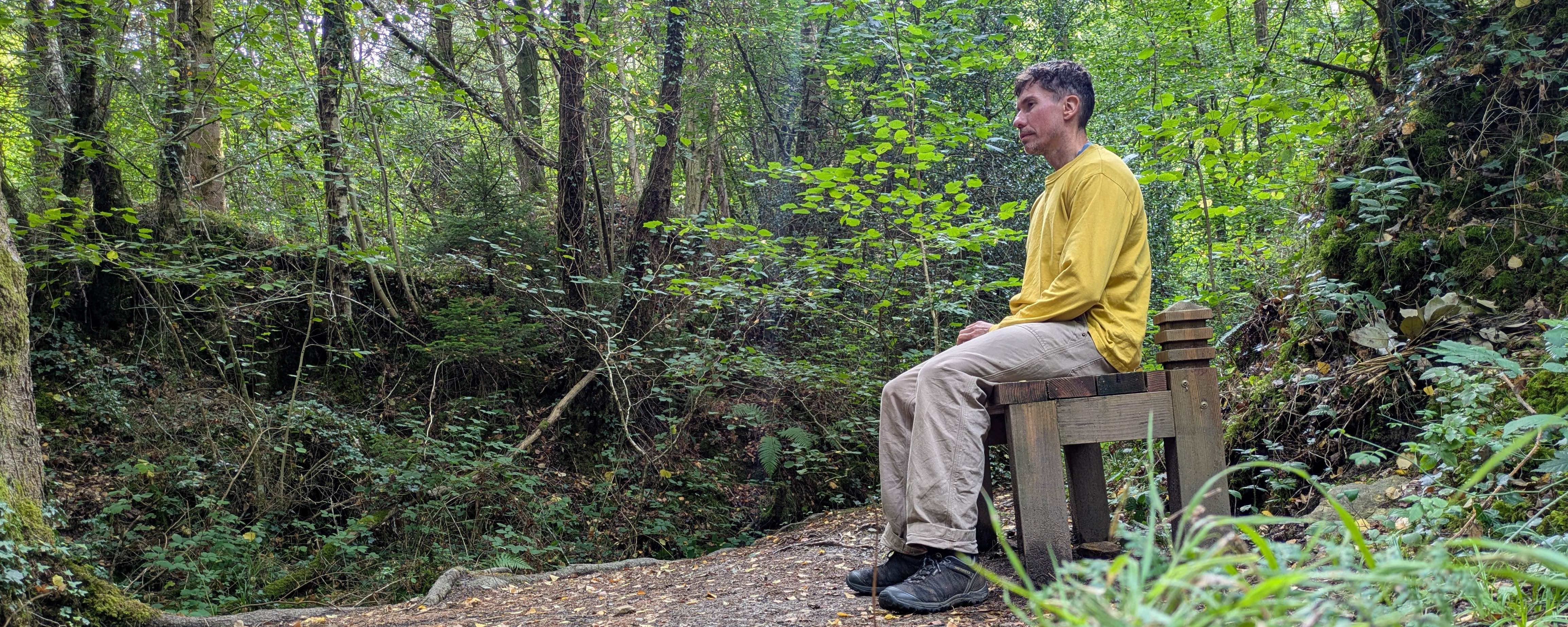
“Put one chair in the centre.”
- Ajahn Chah
I sometimes think of psychotherapy in this way: creating enough space to notice what comes and goes within us, without having to immediately believe it, fight it or get rid of it.
Beneath the patterns
My training as a Core Process psychotherapist has given me a particular understanding of psychotherapy: that beneath the patterns, defences and adaptations through which we have learned to live, there can remain something more fundamental in us.
I think of this as an underlying capacity for awareness, aliveness, compassion and connection.
You don’t have to become a different person in order to become more fully yourself.
Sometimes therapy is about becoming aware of the ways you have learned to leave yourself. Sometimes it is about meeting parts of yourself that have been pushed away, judged or misunderstood. Sometimes it is about discovering that a feeling you have spent years trying to avoid can actually be experienced and survived. And sometimes it is about discovering that beneath a familiar story about who you are, there is more space than you had realised.
I don’t believe that the patterns we have developed are the whole of who we are.
Understanding where you came from
Some of the ways we relate to ourselves and other people began very early. We learned how to belong, seek approval, protect ourselves, manage other people’s feelings and stay safe within our relationships.
These adaptations can continue long after the circumstances that created them have changed. They may appear as people-pleasing, withdrawal, self-criticism, difficulty trusting, fear of intimacy, anxiety, perfectionism or repeatedly finding yourself in familiar kinds of relationships.
We can become curious about these patterns without blaming ourselves for having developed them.
What did this way of being once make possible?
What was it protecting?
What happens when you no longer have to rely on it in quite the same way?
The aim isn’t to get rid of parts of yourself. It is to develop a different relationship with them.
The therapeutic relationship
For me, psychotherapy is not something I do to you. It is something we discover together.
I pay attention to what happens between us, as well as to what you bring into the room. We can slow things down, notice what is happening in your body and emotional experience, and stay with experiences that don’t yet have words.
My approach integrates Core Process psychotherapy, Buddhist psychology and contemplative awareness with psychodynamic, humanistic and existential approaches.
You don’t need to be Buddhist or have any particular spiritual beliefs to work with me.
I am also interested in questions of meaning, authenticity, identity and what it means to live more freely.
LGBTQ+ / Queer Inclusive
I welcome clients across the LGBTQ+ and queer communities, and I am comfortable exploring questions of sexuality, identity, belonging, relationships and authenticity openly in our work.
You don’t need to arrive with a particular identity or agenda. We can work with whatever is important to you.
The more-than-human world
I am currently training in Wild Therapy and increasingly interested in the relationship between our inner lives and the living world around us.
This is developing alongside my existing psychotherapy practice and is part of a growing interest in our relationship with the wider living world.
How I work
I offer depth-oriented psychotherapy for people who want more than strategies for managing their symptoms.
You may be looking for somewhere to slow down, understand yourself more deeply and begin to relate differently to your thoughts, feelings, patterns and relationships.
You don’t need to have everything worked out before you come. We can begin with whatever is happening for you now.
My intention isn’t to turn you into an idealised version of yourself. It is to help create the conditions in which you can become more deeply aware of yourself, and discover what becomes possible when you no longer have to be quite so far away from your own experience.
Sessions are 60 minutes and usually take place weekly.
I offer face-to-face psychotherapy in Cardiff, as well as online sessions.
Fee: £70 per session.
If something here resonates with you, you’re welcome to get in touch. We can arrange an initial conversation and see whether working together feels like a good fit.